
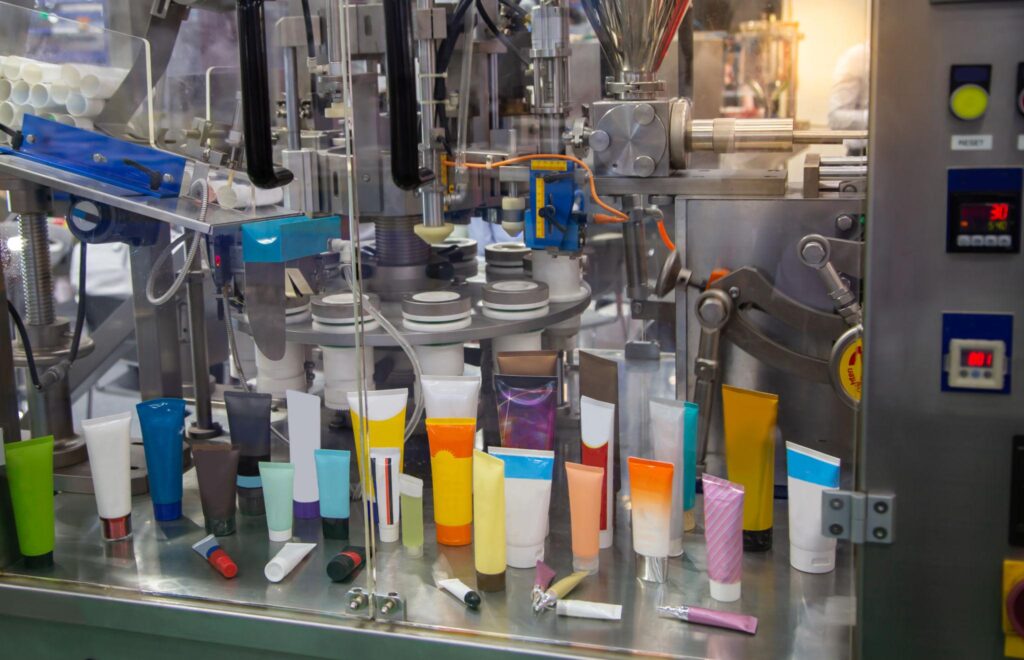
Tube filling and sealing machines are widely used in cosmetic, pharmaceutical, food, and chemical industries. Different tube materials require different sealing technologies to ensure product protection, appearance, and shelf life.
Choosing the correct sealing method is important because it affects sealing strength, production efficiency, leakage prevention, and compatibility with plastic, laminated, or aluminum tubes.
In this article, we will explain the most common sealing methods used in tube filling sealing machines and their typical applications.
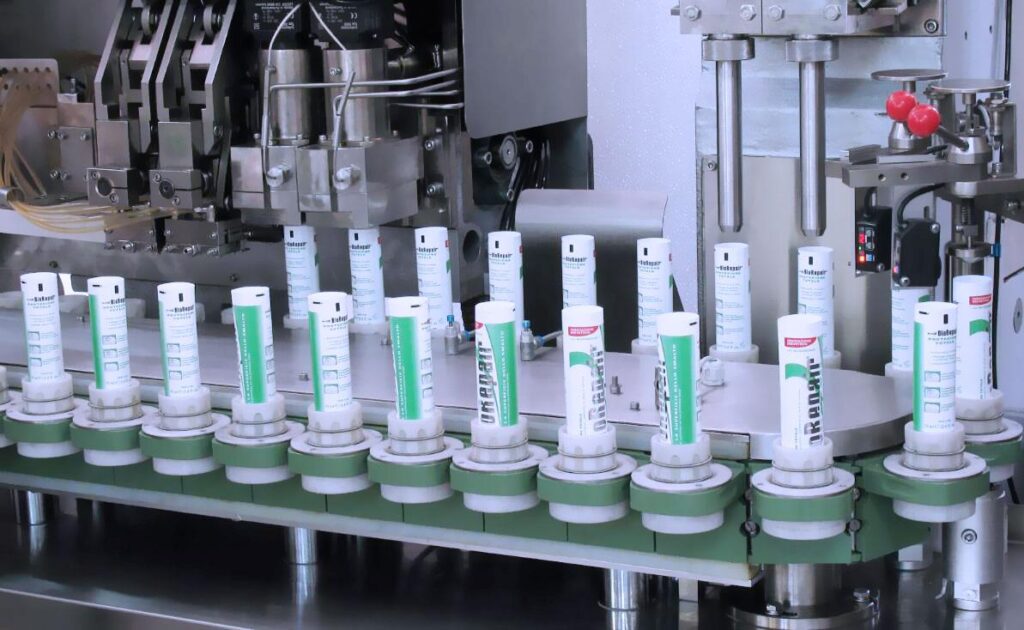
1. Hot Air Sealing
Hot air sealing is the most common sealing method for plastic and laminated tubes.
The machine heats the inside of the tube end with hot air, softening the material. The tube is then pressed together to form a strong seal.
Suitable for:
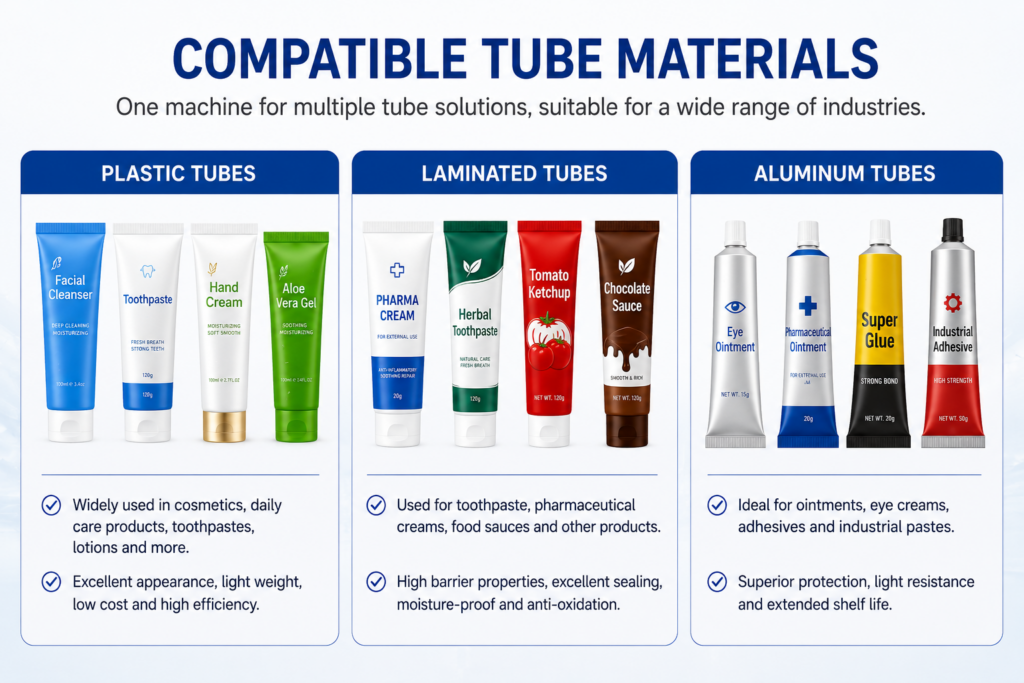
Plastic tubes (PE/PP)
Laminated tubes (ABL/PBL)
Common products:
Toothpaste
Facial cleanser
Hand cream
Pharmaceutical ointment
Food sauces
Advantages:
Strong sealing quality
High production speed
Clean and professional appearance
Widely used in industrial production

2. Ultrasonic Sealing
Ultrasonic sealing uses high-frequency vibration to generate heat directly in the tube material, creating a seal without external heating.
Suitable for:
Plastic tubes
Laminated tubes
Common products:
Cosmetic creams
Medical gels
Heat-sensitive products
Advantages:
Low heat exposure
Fast sealing cycle
Suitable for sensitive formulations
Clean sealing appearance
3. Heating Jaw Sealing
Heating jaw sealing uses heated sealing jaws to press and seal the tube end.
Suitable for:
PE tubes
PP tubes
Advantages:
Simple structure
Lower equipment cost
Easy maintenance
This method is often used in small or medium-sized production lines.
4. High-Frequency Sealing
High-frequency sealing uses electromagnetic energy to generate heat within specific laminated materials.
Suitable for:
Special laminated tubes
Pharmaceutical packaging
Advantages:
Strong sealing strength
Fast operation
Good barrier performance
Although less common than hot air sealing, it is used in certain specialized applications.
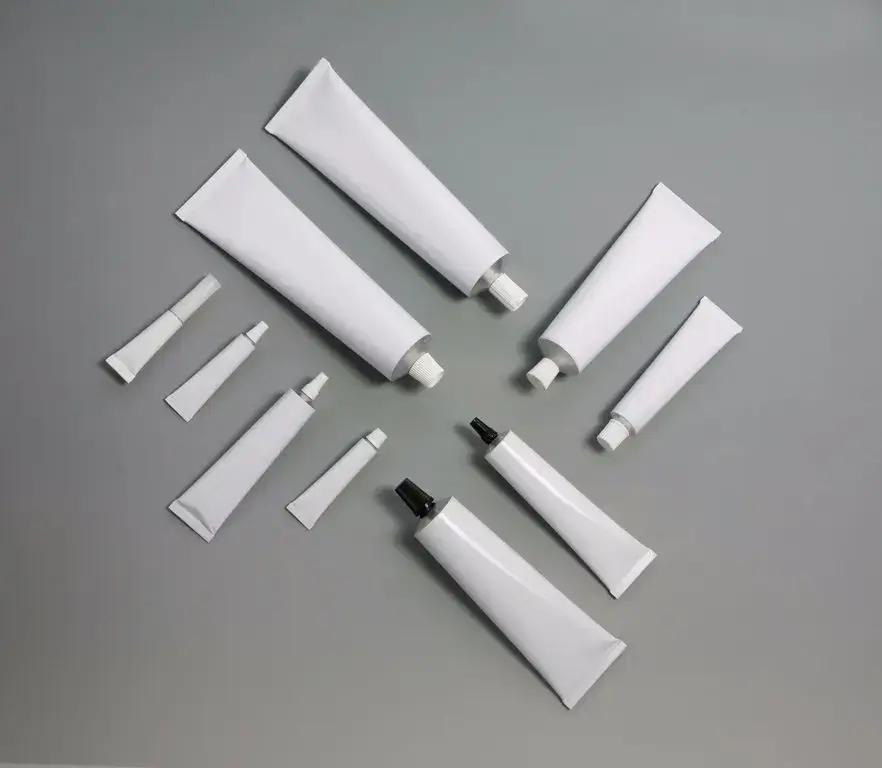
5. Aluminum Tube Folding Sealing
For aluminum tubes, sealing is usually achieved through mechanical folding rather than heat sealing.
The tube tail is folded one or more times and compressed to create a leak-proof closure.
Common products:
Antibiotic ointment
Eye ointment
Burn cream
Industrial adhesive
AB glue
Advantages:
Excellent product protection
Light and oxygen barrier
Long shelf life
Very strong sealing performance
6. Aluminum Tube Fold & Crimp Sealing
This is an enhanced version of aluminum tube sealing where the folded tail is additionally crimped or embossed.
Advantages:
Extra sealing security
Professional pharmaceutical appearance
Common in GMP production environments
Choosing the Right Sealing Method
The best sealing method depends on several factors:
Factor | Recommendation |
Tube Material | Plastic, laminated, or aluminum |
Product Sensitivity | Heat-sensitive or standard product |
Production Speed | Required output capacity |
Shelf Life Requirement | Barrier protection level needed |
Industry Standard | Cosmetic, pharmaceutical, food, or chemical |
For most cosmetic, toothpaste, and food sauce applications, hot air sealing is the industry standard.
For pharmaceutical ointments and eye creams packaged in aluminum tubes, fold sealing is usually preferred because of its superior protection and shelf-life performance.
Conclusion
Tube filling machines support several sealing technologies, each designed for specific tube materials and product requirements.
The six main sealing methods are:
Hot Air Sealing
Ultrasonic Sealing
Heating Jaw Sealing
High-Frequency Sealing
Aluminum Tube Folding Sealing
Aluminum Tube Fold & Crimp Sealing
Understanding these sealing methods helps manufacturers choose the right tube filling sealing machine for cosmetics, pharmaceuticals, food sauces, adhesives, and other tube-packaged products.
For most high-speed production lines, machines that support plastic, laminated, and aluminum tube sealing provide the greatest flexibility and market covera