
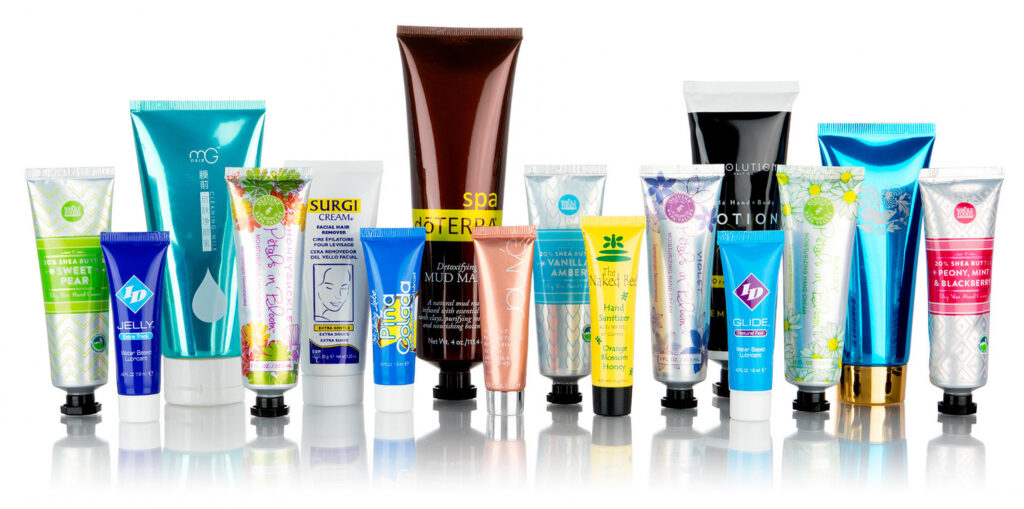
Antibiotic ointments are widely used in hospitals, pharmacies, and healthcare facilities for treating bacterial infections, wounds, burns, and skin conditions. To ensure product quality, hygiene, and dosage accuracy, pharmaceutical manufacturers require reliable packaging equipment.
An Antibiotic Ointment Filling Machine is specifically designed for filling and sealing antibiotic creams and ointments into plastic, laminated, or aluminum tubes with high precision and efficiency.
In this guide, we will explore how antibiotic ointment filling machines work, their key features, applications, and how to select the right machine for your pharmaceutical production line.
What Is an Antibiotic Ointment Filling Machine?
An Antibiotic Ointment Filling Machine is an automated packaging system used to accurately fill antibiotic creams, antibacterial gels, and pharmaceutical ointments into tubes and seal them securely.
The machine combines multiple packaging processes into one system:
- Automatic tube feeding
- Tube orientation
- Precise ointment filling
- Tube sealing
- Batch coding
- Product discharge
This ensures efficient, hygienic, and GMP-compliant pharmaceutical production.
Why Antibiotic Ointments Require Specialized Packaging
Antibiotic products must be protected from contamination, moisture, and air exposure.
Tube packaging offers several advantages:
Improved Product Safety
Sealed tubes prevent external contamination and maintain product sterility.
Accurate Dosage
Controlled dispensing improves user convenience and medication effectiveness.
Extended Shelf Life
Proper sealing protects active pharmaceutical ingredients.
Convenient Transportation
Lightweight tubes are easier to store and distribute than jars or containers.
Professional Branding
Printed tubes improve product presentation and brand recognition.
How Does an Antibiotic Ointment Filling Machine Work?
The packaging process consists of several automatic stages.
Step 1: Automatic Tube Feeding
Empty tubes are automatically loaded into tube holders.
Benefits include:
- Reduced labor costs
- Increased production speed
- Consistent operation
Step 2: Tube Orientation
Sensors detect registration marks on the tube surface and position each tube correctly.
This ensures:
- Proper logo alignment
- Consistent sealing appearance
- Professional packaging quality
Step 3: Antibiotic Ointment Filling
The filling system dispenses a precise amount of ointment into each tube.
Suitable products include:
- Antibiotic ointment
- Antibacterial cream
- Wound healing cream
- Burn treatment ointment
- Antifungal cream
- Medical gel
Advanced servo-driven filling systems ensure:
- High accuracy
- Stable filling performance
- Minimal product waste
Step 4: Tube Sealing
The sealing method depends on the tube material.
Plastic Tubes
Hot air sealing technology creates strong and reliable seals.
Laminated Tubes
High-strength sealing provides excellent barrier protection.
Aluminum Tubes
Mechanical folding and crimping systems create secure closures.
Benefits include:
- Leak-proof packaging
- Better product preservation
- Professional appearance
Step 5: Batch Coding
The machine can print:
- Manufacturing date
- Expiration date
- Batch number
This supports pharmaceutical traceability and regulatory compliance.
Step 6: Product Discharge
Finished tubes are automatically discharged for secondary packaging or cartoning.
Main Features of Antibiotic Ointment Filling Machines
High Filling Accuracy
Accurate filling is critical for pharmaceutical products.
Advantages:
- Consistent dosage
- Reduced material waste
- Improved product quality
GMP Stainless Steel Design
The machine is manufactured using pharmaceutical-grade stainless steel.
Benefits:
- Easy cleaning
- Corrosion resistance
- Hygienic operation
- Long service life
Suitable for GMP-compliant production environments.
PLC Touch Screen Control
Modern machines feature intelligent PLC control systems.
Operators can easily adjust:
- Filling volume
- Production speed
- Sealing temperature
- Machine settings
This improves operational efficiency and production management.
Stable and Reliable Performance
High-quality mechanical components ensure:
- Continuous production
- Low maintenance costs
- Consistent packaging quality
Applications of Antibiotic Ointment Filling Machines
These machines are widely used in pharmaceutical manufacturing.
Pharmaceutical Products
- Antibiotic ointment
- Antibacterial cream
- Burn cream
- Antifungal ointment
- Medical gel
Healthcare Products
- Wound treatment cream
- Skin repair cream
- Anti-inflammatory cream
Veterinary Products
- Animal antibiotic ointment
- Veterinary cream
- Pet treatment gel
Suitable Tube Materials
The machine supports various tube types.
Plastic Tubes
The most common packaging material for ointments and creams.
Laminated Tubes
Offer excellent barrier protection against moisture and oxygen.
Aluminum Tubes
Ideal for pharmaceutical products requiring maximum protection and shelf life.
Optional Features
To meet different production requirements, machines can be equipped with:
- Servo filling systems
- Tube loading devices
- Hopper heating systems
- Product mixing systems
- Automatic coding systems
- Cooling units
- Safety enclosures
- Automatic cartoning integration
Customized configurations improve production flexibility and efficiency.
Benefits of Automatic Antibiotic Ointment Filling Machines
Increased Production Efficiency
Automatic systems significantly improve packaging speed.
Typical production capacities:
| Machine Type | Capacity |
|---|---|
| Semi Automatic | 10–30 tubes/min |
| Automatic | 60–120 tubes/min |
| High Speed | 120–250 tubes/min |
Lower Labor Costs
Automation reduces manual operation and improves productivity.
Better Packaging Consistency
Automatic machines ensure:
- Uniform filling volume
- Reliable sealing quality
- Consistent package appearance
Enhanced Pharmaceutical Hygiene
Closed filling systems help reduce contamination risks and support GMP requirements.
How to Choose the Right Antibiotic Ointment Filling Machine
Before investing in equipment, manufacturers should consider:
Product Viscosity
Different ointment formulations may require different filling technologies.
Production Capacity
Select a machine based on your daily production volume.
Tube Material
Ensure compatibility with:
- Plastic tubes
- Laminated tubes
- Aluminum tubes
Future Expansion
Choose equipment that can support increasing production demands.
Why Choose BIAOZAN?
BIAOZAN is a professional packaging machine manufacturer specializing in filling, sealing, capping, and cartoning solutions for pharmaceutical, cosmetic, food, and chemical industries.
Our Advantages
- Customized machine solutions
- GMP-compliant machine design
- Stable and reliable performance
- Competitive factory pricing
- Professional technical support
- Comprehensive after-sales service
We help pharmaceutical manufacturers improve packaging efficiency, product quality, and production reliability.
Conclusion
An Antibiotic Ointment Filling Machine is essential equipment for modern pharmaceutical packaging. It provides accurate filling, secure sealing, GMP-compliant production, and efficient automation for antibiotic creams and medical ointments.
Whether you produce antibacterial creams, wound treatment ointments, or pharmaceutical gels, choosing the right tube filling sealing machine can significantly improve productivity and packaging quality.